
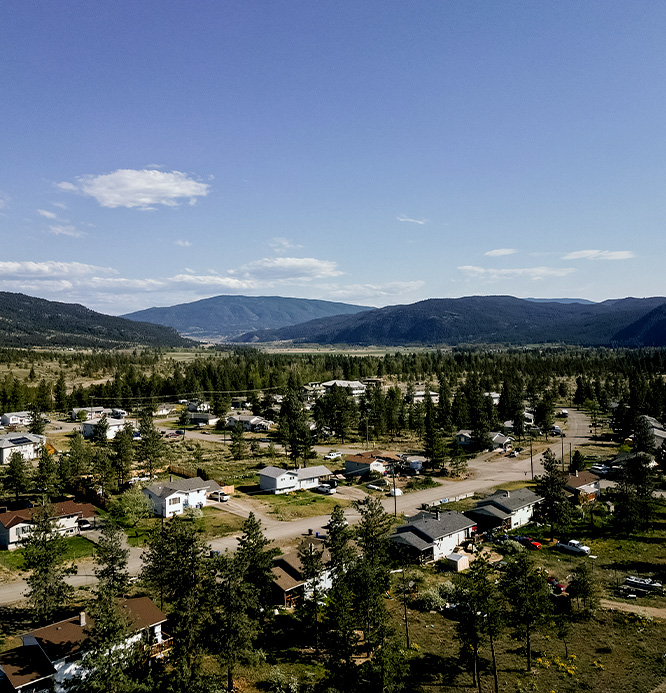
Our services reach people where they are - whether that’s in a main clinic, a remote village, or right in their home.
Building health services that belong to the Nlaka’pamux people
Primary care should feel close. Familiar. Grounded in trust. At NHSS, we’re rebuilding what primary care can be for the Nlaka’pamux Nation—making it more accessible, more connected, and more reflective of our values. From family medicine and chronic condition management to youth mental health and traditional healing, our model combines the best of modern and cultural practices to offer care that truly fits our communities.
We’re not stopping at what exists today. We’re actively expanding care to include more staffing, more access, and more options – without sacrificing the cultural foundation that makes NHSS care unique.
The First Nations Primary Care Initiative
A Nation-Led Shift in How Care Works
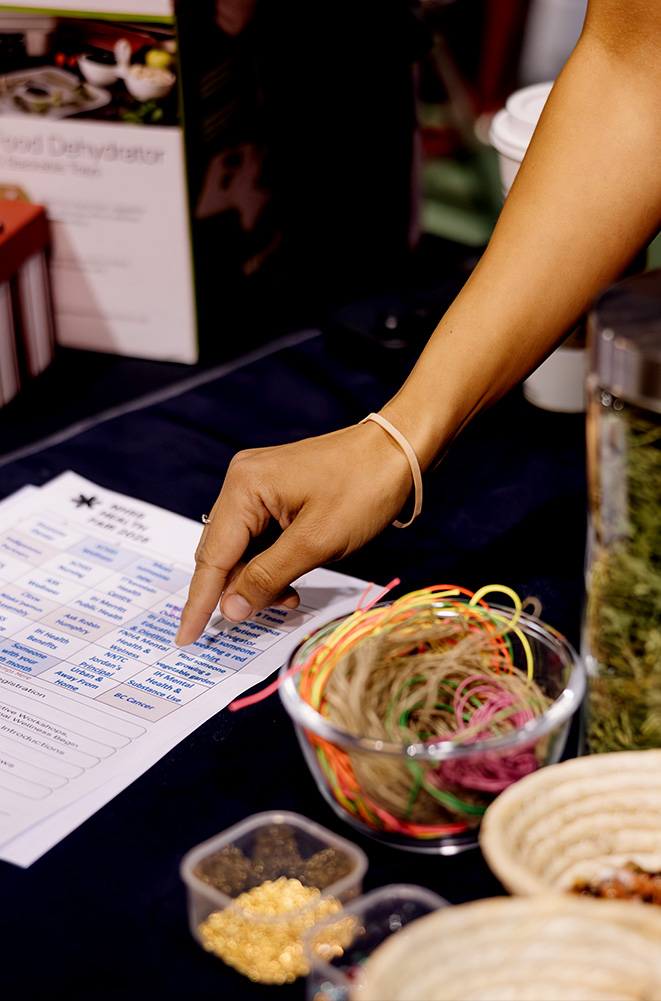
Through the First Nations Primary Care Initiative (FNPCI), NHSS is leading a transformation in how care is designed and delivered. This isn’t a top-down model borrowed from elsewhere – it’s rooted in community voice, created with respect for Nlaka’pamux traditions, and shaped to meet both urgent needs and long-term vision.
Our current and future efforts include:
- Planning a central care facility that supports everything from physician visits to pharmacy, mental health, and palliative care
- Offering mobile outreach that brings services directly into communities
- Integrating traditional practices, Elder guidance, and land-based healing alongside Western medicine
- Strengthening partnerships with the First Nations Health Authority, Interior Health, and Health Canada
This work is about more than expanding services. It’s about returning control to communities and creating a care system that reflects who we are and how we live.
Primary Care That Puts the Community First
NHSS primary care spans across many locations and delivery methods. Whether it’s a routine check-up, a youth counselling session, or a chronic disease follow-up, we aim to make care consistent and culturally safe.
Some of the key services we currently offer include:
- In-person appointments at local health offices
- Home visits and community-based clinics
- Telehealth and video-based care when in-person isn’t possible
- Mobile care for specialized services, including pre/postnatal support and medication management
And we’re listening. Regular community consultation informs how and where services are offered. We know that long travel times, inconsistent providers, or language barriers can make care feel out of reach. So we’re making sure care is not only physically closer—but emotionally and culturally closer, too.
A Healthcare Workforce Built from Within
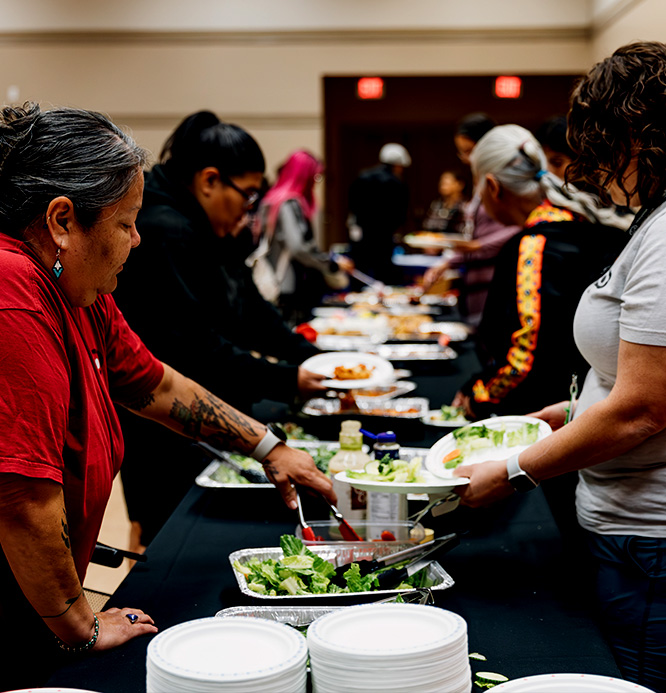
We know the most sustainable health systems are the ones that grow from within. That’s why NHSS is focusing heavily on training, recruitment, and long-term career support for Indigenous health professionals. Our goal is to build a team that understands the communities they serve – because they’re part of them.
Hiring priorities include:
Nurses (including full-time community-based roles)
Traditional wellness workers and mental health practitioners
Youth counsellors, nutritionists, and home care staff
Administrative and operations staff to support care coordination

Designing Primary Care Around Real Life
It’s not just what we offer. It’s how we offer it. NHSS care is grounded in relationships, cultural humility, and a long-term commitment to the people of the Nlaka’pamux Nation. That means:
- We don’t rush care. We build it.
- We don’t separate Western and traditional care. We bring them together.
- We don’t see clients. We serve community members, relatives, and friends.
This model takes time to build – but it’s lasting, and it’s ours.
Shaping the Future of Healthcare
Over the next five years, primary care at NHSS will continue to grow. Our strategic plan includes expanded infrastructure, increased staffing, and better transportation options to ensure that care is accessible no matter where you live.
Most importantly, we’re holding ourselves accountable—to the values of the Nation, to the feedback of our people, and to a vision of care that reflects dignity, trust, and self-determination. We’re not just building a better health service. We’re building one that finally belongs to us.